Texture Digital Paper Fabric Background: A Practical Guide to Smarter Crafting
If you are looking to elevate your creative projects without the hassle of physical materials, Texture Digital Paper Fabric Background offers a versatile solution that bridges the gap between imagination and execution. This digital asset pack is designed for creators who need high-quality textures immediately, whether you are designing a wedding invitation, creating a custom planner sticker, or branding a new business card. The core value lies in its ability to provide professional-grade fabric-like aesthetics instantly, saving time and resources while delivering consistent results.
However, simply downloading a file does not guarantee success. Many users make the mistake of assuming all digital papers are created equal, leading to pixelated prints, color mismatches, or software compatibility issues. To get the most out of this specific set, you must understand the technical specifications and the practical applications before diving into your project.
Understanding the Value of High-Resolution Textures
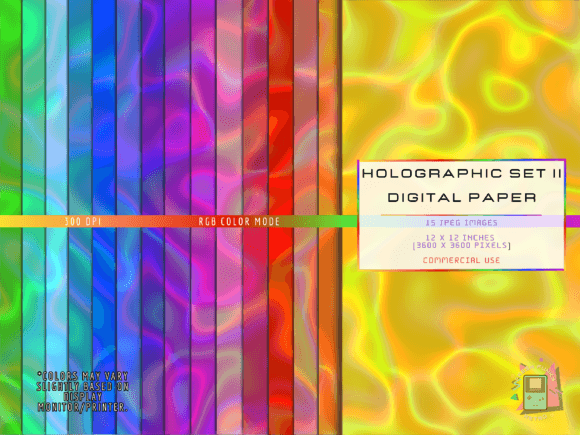
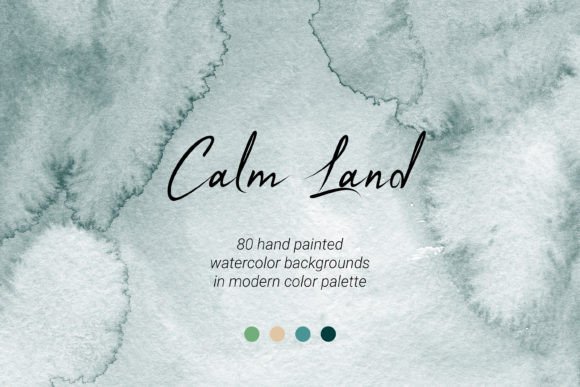
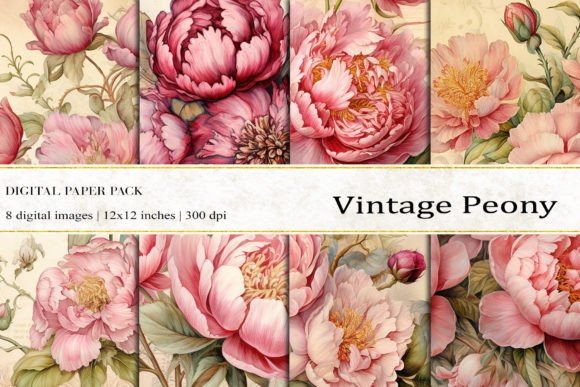
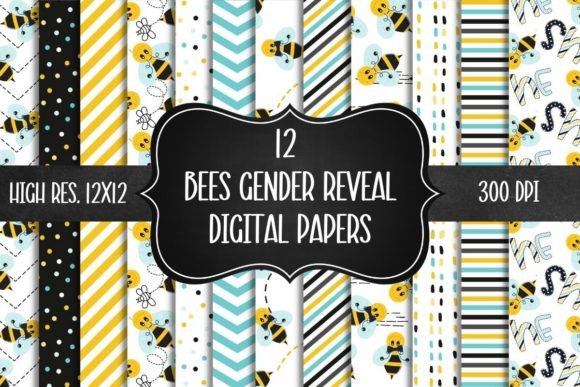
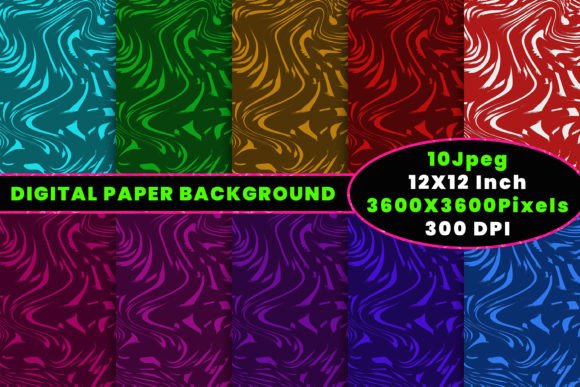
The primary reason creators gravitate toward Texture Digital Paper Fabric Background is the resolution. This pack contains 10 distinct images, each sized at 3600×3600 pixels. In the world of print design, this is a critical threshold. A common error beginners make is purchasing low-resolution images (often under 1500 pixels) thinking they can stretch them later. When you try to print a small image on a large surface like wrapping paper or a hardcover book, the result is often blurry and unprofessional.
With 3600 pixels, you have the flexibility to scale these textures up for large formats or crop them down for intricate details like jewelry tags or social media banners. This resolution ensures that the fabric texture remains crisp, preserving the tactile feel of the material even when it is purely digital. Whether you are applying this to a mug design or a website background, the clarity ensures your final product looks intentional and polished.
Common Pitfalls in Digital Paper Usage
While the files themselves are robust, the way you handle them can lead to unnecessary frustration. One of the most frequent overlooked details involves file extraction. These assets are compressed into a single ZIP file. Users often attempt to drag the ZIP file directly into design software, only to find the program cannot read the compressed data. You must extract the contents first. Double-clicking the ZIP file to open it and then selecting "Extract All" is the standard procedure to access the individual JPEGs. Skipping this step wastes time and can lead to corrupted file errors during the design process.
Another significant misunderstanding relates to file formats. This pack provides images in JPEG format. While JPEGs are excellent for photographs and complex textures due to their smaller file size, they do not support transparency. If you are planning to use these backgrounds for overlay effects where you need the edges to disappear seamlessly, you might encounter issues if you expect a transparent PNG. Understanding this limitation helps you choose the right tool for the job. For example, if you are placing a fabric texture over a solid color for a logo, a JPEG works perfectly. However, if you need to cut out a specific shape from the texture to layer over another image, you will need to manually create a mask in your editing software.
Maximizing Versatility Across Projects
The true power of this digital paper set lies in its adaptability. It is not limited to just one type of craft. Smart creators utilize these textures across a wide spectrum of mediums, from physical goods to digital content. Here is how you can apply these textures effectively without running into quality issues:
- Print-on-Demand Products: When designing for mugs, t-shirts, or wrapping paper, ensure your design software is set to CMYK color mode if possible, as RGB colors (standard for screens) can sometimes shift slightly when printed. The high resolution of the 3600x3600 pixels allows for detailed printing on various substrates.
- Digital Planning & Stationery: For planner stickers or digital journals, the texture adds depth that flat colors lack. Use these backgrounds to create realistic mockups that show clients exactly what the final product will look like.
- Social Media & Web Design: Create unique headers for blogs or Instagram stories. The square aspect ratio of 3600 pixels makes it easy to crop into different dimensions for various platforms without losing quality.
- Physical Crafts: If you are doing decoupage or decorating furniture, print the texture on adhesive vinyl or regular paper. The high detail ensures that when you glue it onto a box or frame, the grain of the "fabric" remains visible and authentic.
Evaluating Quality Before You Commit
Before integrating Texture Digital Paper Fabric Background into your workflow, take a moment to evaluate the source. Are the textures realistic? Do they mimic actual weave patterns or are they overly stylized? Realistic textures build trust with your audience. If you are selling handmade items, using a generic, fake-looking fabric pattern can make your product appear mass-produced rather than artisanal.
Check the lighting and shadow within the texture. A good digital paper should have subtle variations in tone that suggest light hitting the fabric, adding a three-dimensional effect. Avoid textures that look too flat or repetitive, as this can be distracting in long-scrolling web pages or large print areas. Since this pack includes 10 unique images, you have the opportunity to test which ones best suit your brand identity. Don't settle for the first option; compare them against your existing color palette to ensure harmony.
Strategic Application for Better Results
To avoid the mistake of overwhelming your design, remember that less is often more. A busy fabric texture can compete with text and other graphical elements. When using these backgrounds for invitations or business cards, consider using them as a subtle backdrop rather than the main focus. You can reduce the opacity of the texture layer or place a semi-transparent white box over it to improve text readability.
For entrepreneurs and marketers, consistency is key. Using the same texture family across your packaging, social media banners, and website creates a cohesive brand experience. Instead of sourcing random images from different places, stick to a curated pack like this one. This approach saves you hours of searching and ensures that every piece of your visual communication feels part of the same story.
Finally, always keep a backup of your extracted files. Once you have unzipped the folder, save the JPEGs in a dedicated project folder. Relying on the original ZIP file alone can be risky if you accidentally delete it or if the download link expires. Having the individual high-resolution images readily available ensures you never miss a deadline when a client needs a last-minute revision.
By understanding the technical requirements, respecting the limitations of the JPEG format, and applying the textures thoughtfully, you can transform simple digital files into stunning physical and digital products. This pack is more than just an image; it is a tool for efficiency and creativity that, when used correctly, elevates the quality of your work significantly.